Heat dries out lubricant, hardens and cracks rubber seals, fades and warps panels, drains opener batteries and makes metal parts expand and bind. Lubricate before summer, replace cracked seals, keep the door balanced, and consider an insulated door to keep garage temperatures down.
Phoenix-area summers are long. Daytime highs over 100 degrees are normal from May into September, and a closed garage can get even hotter. Your garage door takes that heat every day. Here’s what happens and what to do about it.
What heat does to a garage door
Lubricant dries out
Grease on rollers, hinges and springs thins and evaporates. Friction goes up, the door gets noisy and parts wear faster. See how to lubricate a garage door.
Seals crack and shrink
The rubber bottom seal and side weatherstripping harden and crack in UV and heat. Gaps let in dust, monsoon water, and pests like scorpions. See replacing your bottom seal and keeping scorpions out of the garage.
Panels fade and can warp
Dark-colored doors facing west take the most sun. Paint fades and chalks. Some wood and composite doors can warp. Steel panels expand and can pop or tick.
Metal parts expand
Tracks, panels and hardware grow slightly in heat. A door that was a bit out of adjustment can start to bind or reverse on hot afternoons.
Openers work harder
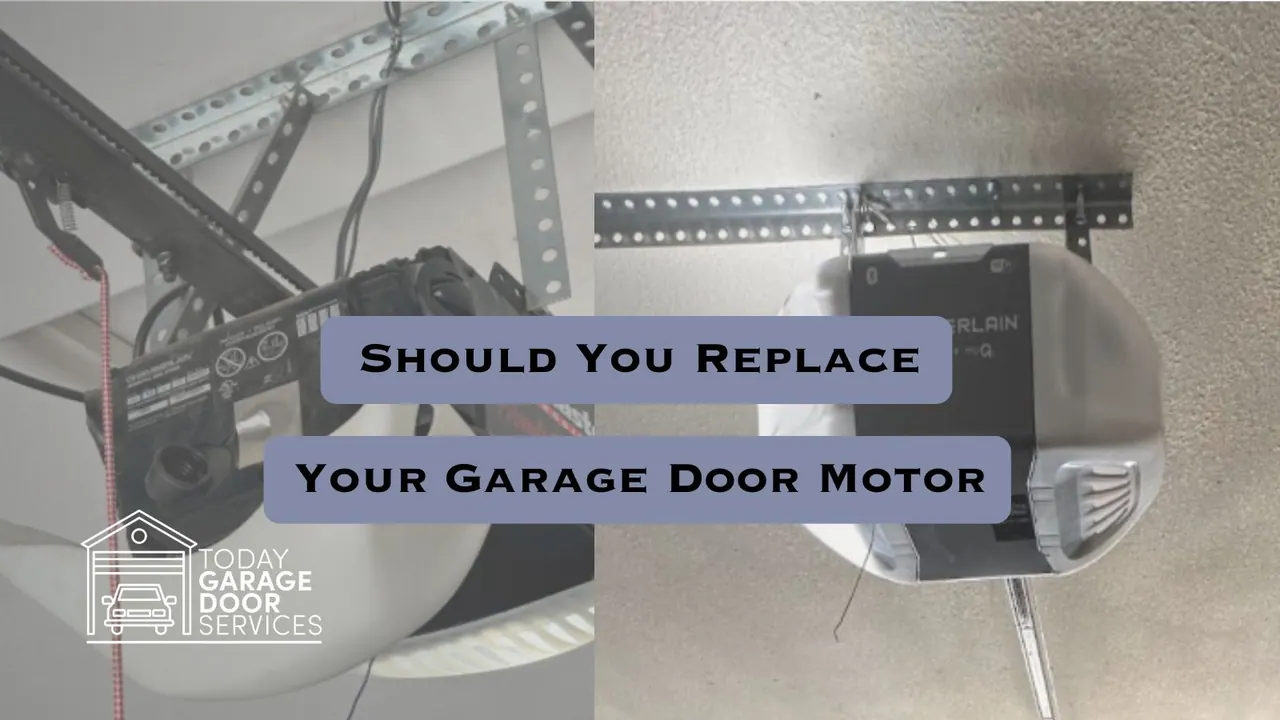
A motor in a hot garage reaches its thermal limit faster. Combine that with a stiff, dry door, and the opener can shut off mid-cycle. See openers overheating in summer.
Batteries fail
Battery backup units and keypad batteries wear out faster in heat. See why your opener is beeping.
Sensors get confused
Low afternoon sun can blind the safety sensors. See sun glare and sensors.
Your summer checklist
- Lubricate hinges, rollers and springs in spring before the heat.
- Inspect and replace cracked weatherstripping and the bottom seal.
- Do the balance test.
- Check the opener’s backup battery.
- Clean the sensor lenses.
- Test the auto-reverse safety.
Keep the garage cooler
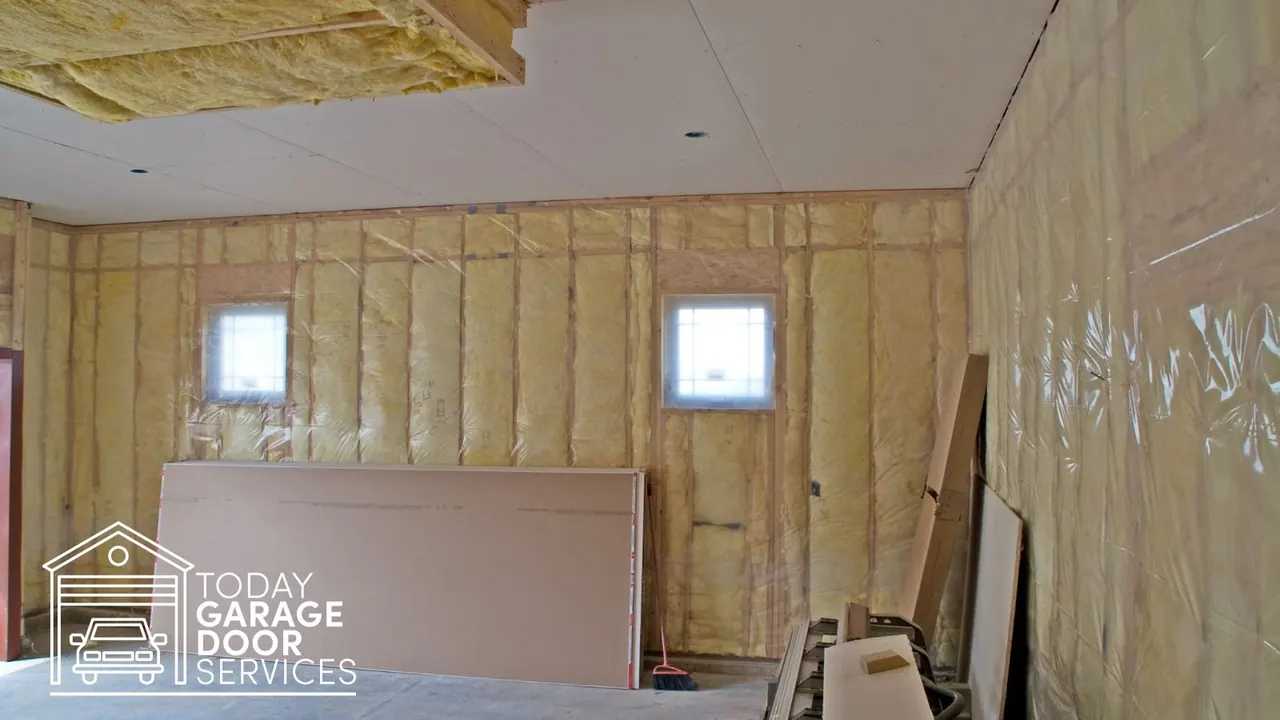
- Insulated door. It slows heat moving through the door. See is an insulated garage door worth it.
- Lighter door colors absorb less heat, if your HOA allows.
- Ventilation. Attic or wall vents let hot air escape.
- Good seals around the door.
Signs heat has caused damage
- The door is louder, slower or reverses in the afternoon.
- Visible cracks in seals.
- Fading, bubbling or warping panels.
- The opener stops mid-cycle on hot days.
We help Scottsdale homeowners get their doors through summer, from Old Town to Grayhawk. See our Scottsdale service page or text us to schedule a tune-up. You’ll get the exact price before any work starts. See garage door repair.