For most Valley homes, yes, especially if the garage is attached, faces west, has living space above it, or you use it as a gym or workshop. An insulated door slows the heat coming through the door, is quieter and stiffer, and protects your opener and anything stored inside. Pair it with good seals.
In a Phoenix summer, an uninsulated steel garage door can get too hot to touch in the afternoon sun, and that heat radiates into the garage. If the garage is attached to the house, some of that heat ends up in your kitchen, laundry room or the bedroom above. An insulated door helps.
How garage door insulation works
Insulated doors have a layer of foam inside the steel. There are two main types:
- Polystyrene: rigid foam panels inserted into the door. A good step up from no insulation.
- Polyurethane: foam injected between two steel skins, bonding to them. Higher R-value per inch and a stiffer door.
The rating to compare is R-value. Higher numbers slow heat transfer more. Manufacturers list R-values for each door model.
Benefits in the Valley
- A cooler garage. The door won’t radiate as much heat into the space.
- A cooler house. Especially rooms that share a wall or ceiling with the garage.
- A happier opener. Openers in cooler garages are less likely to overheat. See opener overheating in summer.
- Better for storage. Paint, electronics, wine and a second fridge all do better in a cooler space.
- Quieter. Insulated doors dampen noise from the street and from the door itself.
- Stronger. Two-sided steel doors resist dents better. See garage door dents.
When it matters most
- Attached garages, especially with a bedroom above.
- West- or south-facing doors.
- Garages used as a gym, workshop or hangout.
- If you are already replacing the door.
When it matters less
- Detached garages used for storage only.
- Garages with no ventilation, where the roof and walls let in more heat than the door.
Don’t skip the seals
Insulation only works if the gaps are sealed. A cracked bottom seal lets hot air pour in. See replacing your bottom seal.
Other ways to cool the garage
- Attic or wall ventilation.
- A lighter door color (check your HOA rules).
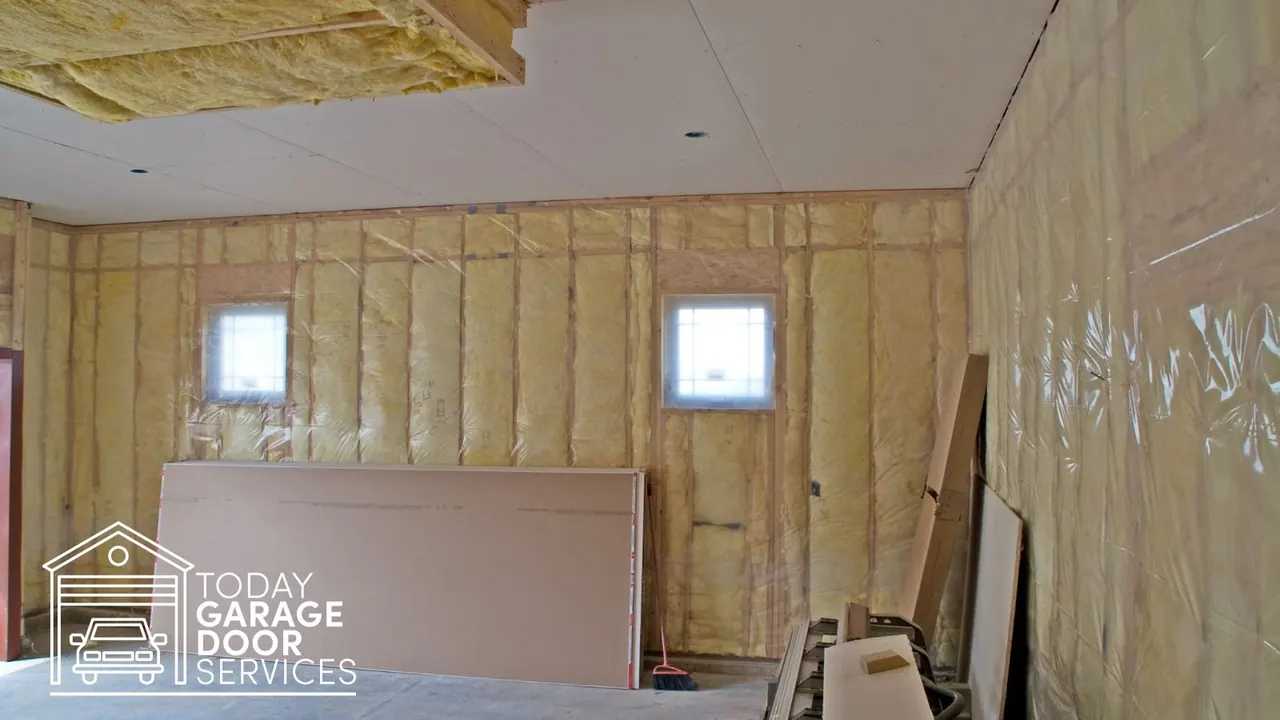
- Insulating the garage walls and ceiling.
- A dedicated cooling unit for garages used as living space.
More ideas in how heat affects your garage door.
Can I add insulation to my current door?
Insulation kits exist for some single-layer doors. They add weight, which means the springs must be adjusted to keep the door balanced. Have that checked so the opener doesn’t strain. See the balance test.
We install insulated Clopay and Wayne Dalton doors across Eastmark, Dobson Ranch, Las Sendas and the rest of Mesa. Text us your door size and we’ll send options with exact pricing. See our garage door installation page and our guide to choosing a new door.